As an Amazon Associate I earn from qualifying purchases. These links may earn this site a commission when you buy, at no extra cost to you.
Looking for the best air spray to clean keyboards and other electronics? This guide compares top canned air and electric air dusters to help you pick a safe, effective option. It highlights products suited for home offices, workstations, and on-the-go setups. Each pick is evaluated for dust removal power, ease of use, and practical limitations. Whether you want a disposable can or a reusable electric blower, this page helps you choose the right tool for your keyboard cleaning needs.
Notes
| Product | Best For | |
|---|---|---|
| Staples Compressed Air Duster – 10 oz. | Desktop setups with keyboards, printers, and gaming gear | Strong, precision nozzle |
| Innovera IVR10012 10 oz. 2-Pack | Budget-conscious households, multi-device care | Two cans per order |
| iDuster Keyboard Cleaner Air Spray – 10 oz. | General electronics cleaning, keyboards and PCs | Residue-free, safe for sensitive components |
| Dust-Off Compressed Gas Dusters – 10 oz. 2-pack | Large cleaning tasks, multiple items | Trusted brand for broad use |
| Staples Compressed Air Duster – 10 oz. 4-Pack | Offices or households needing multiple cans | Bulk value, same precision nozzle |
Staples Compressed Air Duster – 10 oz. Can

The Staples 10 oz. compressed air duster delivers powerful dust removal for electronics, including keyboards, laptops, printers, and gaming consoles. Its precision nozzle allows controlled airflow to reach tight spaces, vents, and ports. This option is best for users who clean desks with multiple devices and need reliable, easy-to-use cans. A potential limitation is that each can delivers a finite amount of air, so swapping cans becomes necessary for larger cleanup sessions.
Innovera IVR10012 10 oz. Compressed Air Duster (2-Pack)
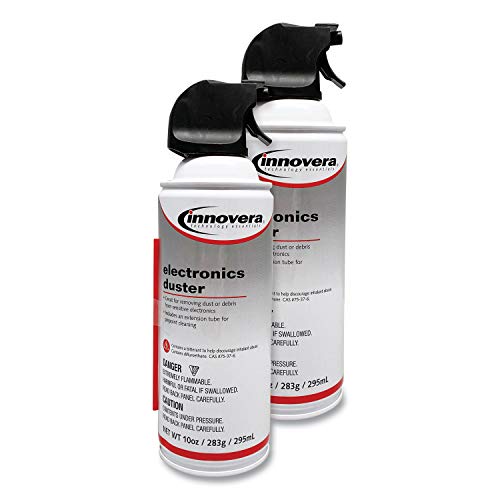
Innovera offers a two-pack of 10 oz. compressed air dusters. It’s ideal for households or offices that need to clean several devices without purchasing additional cans frequently. The product is described as ozone-safe and moisture-free, making it suitable for most equipment. The key trade-off is the need to replace cans after use, which can be less convenient during heavy cleaning sessions.
iDuster Keyboard Cleaner Air Spray – 10 oz.
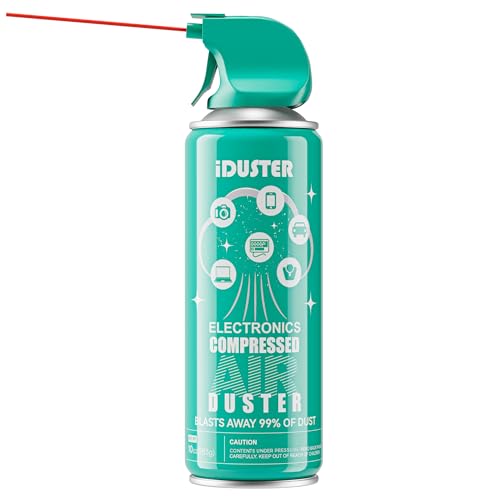
The iDuster can delivers a powerful, safe airflow that removes hidden dust and debris from tight spaces. It’s versatile for cleaning keyboards, PC towers, cameras, car vents, and office equipment. It’s positioned as a residue-free option, making it suitable for delicate electronics. A caution is that some users may need multiple passes for stubborn buildup, depending on device design.
Dust-Off Compressed Gas Dusters – 10 Oz (2-Pack)

Dust-Off offers a trusted two-pack of 10 oz. compressed gas dusters for broad cleaning tasks. These cans efficiently blow away debris from hard-to-reach areas, making them a solid choice for users who maintain multiple devices or perform periodic deep cleans. The main caveat is that pressurized gas canisters require careful handling and proper storage.
Staples Compressed Air Duster – 10 oz. 4-Pack

This Staples 4-pack provides bulk value for larger environments, offices, or families with multiple cleaning needs. The 10 oz. cans share the same precision nozzle and cleaning power as single cans, enabling efficient maintenance across several devices. A limitation is the cumulative cost and the need to manage multiple cans over time, especially in smaller spaces.
Buying Guide
- Disposables vs. Reusable Electric Dusters: Disposable cans offer a simple, low-maintenance solution with consistent pressure. Reusable electric dusters provide ongoing use and often adjustable speeds but require charging and battery care.
- Air Power and Precision: Look for a narrow, precise nozzle for keyboards and tight gaps. Higher airflow speeds help remove stubborn dust but can blow debris into open ports if not used carefully.
- Safety and Material Compatibility: Choose products advertised as safe for electronics and residue-free to protect sensitive components. Avoid products with solvents that may damage plastics or coatings.
- Quantity and Value: For offices or households with many devices, multi-pack options reduce the need for frequent replacements. Compare cans per pack against your cleaning frequency.
- Portability and Convenience: Portable electric dusters are ideal for on-the-go cleaning. If you mostly clean keyboards at a desk, a compact can may suffice.
- Environmental Considerations: Reusable electric dusters reduce waste over time but require charging infrastructure and occasional maintenance.
Frequently Asked Questions
- What is the best option for cleaning a keyboard? For most keyboards, a 10 oz. compressed air can with a precision nozzle is effective and affordable, while a compact electric duster offers ongoing power for frequent cleaning.
- Is compressed air safe for electronics? Yes, when used as directed. Choose cans marketed as safe for electronics and avoid shaking the can excessively to prevent liquid propellants from escaping.
- Can I use these on laptops and cameras? Yes, but be cautious around delicate lenses and coatings. Use short bursts and a focused nozzle to prevent moisture buildup or damage.
- How often should I clean my keyboard? Regular cleaning—monthly or quarterly, depending on usage—helps prevent dust buildup and potential performance issues.
- Are electric dusters better than canned air? Electric dusters offer reusability and adjustable speeds, which can be preferable for frequent cleaners, while canned air is simple and portable for occasional use.
- Which product provides the best value? In multi-device households or offices, multi-pack options like the 2-pack or 4-pack cans often deliver better per-can value and reduce replacement frequency.