
Finding the right brush cutter head and blade setup can dramatically improve yard clearing efficiency. This guide highlights five reliable options, spanning metal blade heads, carbide-tipped blades, and universal heads that fit many straight-shaft trimmers. Each pick is designed to handle heavy brush, saplings, and thick weeds while aligning with common arbor sizes. Read on to compare features and practical considerations for choosing the best brush cutter head for your needs.
| Product | Brand | Arbor Type | Key Benefit |
|---|---|---|---|
| (2-Set) 10″ Blade Kit | AR-PRO | 1″ or 20mm | Versatile replacement blades and washers |
| Forester Chainsaw Blade + File | FORESTER | 1″ arbor; 20mm bushing with kit | Chainsaw-like cutting power for heavy brush |
| Tri-clone Trimmer Head | Tri-clone | Counter-clockwise drive; M10 threads | Durable metal blades for tough growth |
| HK 2 Pack Carbide Blades | HK | 25.4mm/1″ arbor | Carbide-tipped for longevity |
| PLAXNS Trimmer Head Bundle | PLAXNS | 1″ or 20mm adapters | All‑in‑one head with carbide and steel blades |
(2-Set) 10″ Blade Kit With Washers
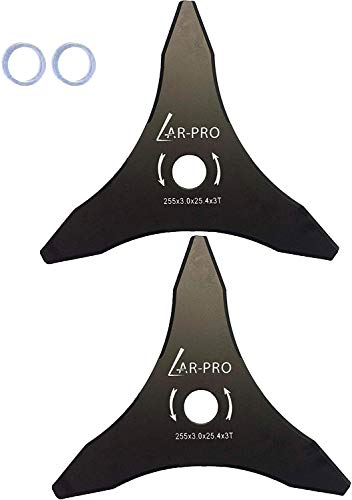
This 10-inch, triple-tooth design uses carbon steel blades paired with washers to fit 25.4mm or 20mm arbors. The kit includes two blades and two washers, offering a universal replacement option for straight shaft trimmers. The blades excel at cutting brush, weeds, saplings, and twigs, making field clearing and landscaping faster and more efficient. The set is designed to meet or exceed OEM specifications, aiming to extend part life by at least 50% with durable material and broad compatibility.
Compatibility spans major brands such as Husqvarna, Stihl, Ego, Oregon, and Hitachi, along with other common makes. Practically, installation is straightforward for users with standard straight-shaft trimmers, and the adapters help ensure a stable, secure cut. While suitable for heavy growth, users should inspect arbor sizing and ensure proper alignment to optimize performance and safety.
Forester Chainsaw Brush Cutter Blade + File Set

The Forester blade set is built around chainsaw-style teeth, designed for extended heavy-duty brush and sapling work. It includes a 9-inch blade with a 20-teeth arrangement and comes with a file for maintenance. The kit is suited for most straight-shaft trimmers and accepts a 1-inch arbor with an additional 20mm bushing for versatility. If your tasks include cutting through thick brush or young trees, this option provides aggressive, fast cutting, with a note that a conversion kit may be required depending on the trimmer configuration.
Important installation notes emphasize compatibility checks with your trimmer manufacturer and the need for the appropriate adapter or kit to ensure safe operation. While powerful, users should take care to avoid using the blade on incompatible gear to prevent mounting or RPM issues. This solution is ideal for property maintenance where speed and durability are priorities.
Tri-clone Metal Blade Trimmer Head

The Tri-clone head uses metal blades for heavy-duty trimming when conventional line isn’t enough. Capable of cutting through long grass, bushes, and small trees up to 3 inches in diameter, it delivers a durable, blade-based alternative to string trimmers. It’s designed for straight-drive shaft units that operate counter-clockwise and require an M10 x 1.00 mm or M10 x 1.25 mm thread along with a suitable adapter plate and blade nut, depending on the brand. Compatibility spans Stihl, Husqvarna, Honda, and several other major brands, enhancing versatility for multi-brand tool owners.
While aggressive, this head requires proper mounting and adherence to safety guidelines. The metal blade approach offers speed and cutting power, but users should assess their typical yard tasks to determine if a blade head best fits their workload and maintenance preferences.
HK 2 Pack Carbide Tip Blades

HK offers carbide-tipped 9-inch and 10-inch blades with a 25.4mm (1 inch) arbor bore. The 36-tooth 9-inch blade and the 10-inch 36- or 80-tooth configurations provide a rugged option for clearing heavy brush and small trees. Carbide tips extend blade life under tough conditions, reducing the frequency of replacements. The blades are designed for straight-shaft gas trimmers with compatible gear cases, and installation requires attention to arbor size and washer compatibility to ensure secure mounting and optimal performance.
Applications span heavy weed removal, fields, and agricultural settings, with users benefiting from the blade’s durability in harsh environments. As with any carbide blade, operators should observe wear limits and properly maintain the trimmer’s RPM settings to maximize efficiency and safety on demanding tasks.
PLAXNS Steel Trimmer Head Bundle

This bundle combines a steel trimmer head with carbide-tipped blades and carbon steel brush cutter blades. The kit includes two adapter sets suitable for most straight-shaft trimmers, accommodating 1-inch (25.4mm) or 20mm arbors. The 9-inch 36-tooth carbide blades and 10-inch 3-tooth carbon steel blades cover a wide range of tasks, from heavy brush to shrubs and small trees. The manganese steel construction emphasizes sharpness, impact resistance, and wear resistance—ideal for frequent, versatile yard work.
The PLAXNS package emphasizes compatibility across brands, making it attractive for tool owners who want a single solution for multiple machines. As always, verify arbor size and adapter compatibility before mounting, and follow proper safety protocols when using blades at higher RPMs or with thicker vegetation.
Buying Guide: Key Purchase Considerations And Comparisons
- Arbor size and compatibility: Most blades and heads in this guide use 25.4mm (1 inch) or 20mm arbors. Confirm your trimmer’s arbor diameter and thread type (M10 x 1.00 mm or M10 x 1.25 mm) before buying adapters or blades.
- Blade material: Carbon steel blades are common and effective for general brush and weed cutting, while carbide-tipped blades offer longer life against tough wood, saplings, and dense brush. Carbide blades tend to stay sharper longer but can be more expensive.
- Blade count and geometry: More teeth often mean finer cutting and increased durability for heavy brush, but higher RPM and speed are required. For saplings up to a few inches thick, chainsaw-like or larger tooth configurations perform best.
- Head type and maintenance: Universal heads and conversion kits provide flexibility across brands, but ensure the kit includes the correct adapters or plates for safe operation. Some setups require a separate conversion kit to switch between standard trimmer line and blades.
- Safety and usage: Heavier blades demand careful handling, proper PPE, and vigilance with kickback risks. Inspect blades for chips or cracks before each use and follow manufacturer torque specifications during installation.
- Maintenance and replacement: Some bundles include maintenance accessories (files, washers, adapters). Regularly inspect arbors and gear cases for wear. Replacement blades should match the trimmer’s engine power and RPM range to avoid overload.
- Overall cost vs. longevity: Carbide-tipped blades typically cost more upfront but can reduce replacement frequency. If you clear large properties, investing in a durable blade head may lower long-term costs and downtime.
Choosing the right brush cutter head involves balancing toughness, compatibility, and maintenance considerations. The options above cover a spectrum from universal blade kits to heavy-duty metal-head solutions, helping homeowners and landscapers tackle thick brush with confidence and efficiency.