
Enzyme-based products offer a practical, science-backed approach to maintaining grease traps. They work by supporting natural bacteria to digest fats, oils, and grease (FOG), helping prevent clogs and odors in residential and commercial systems. This guide highlights five top enzyme grease trap cleaners, explains who each product is best for, and explains why they were selected. Whether you manage a home kitchen, a restaurant, or a facility with consistent FOG challenges, these options aim to keep traps running smoothly with safer, non-caustic formulas.
Quick Product Comparison
- GET SERIOUS Grease Trap Treatment — Best for: large-volume grease traps in commercial settings
- Grease Eater Pro Concentrate — Best for: daily maintenance with a high-use kitchen
- Green Gobbler Enzyme Drain Cleaner — Best for: pipes, grease traps, and septic systems
- Beseder Grease Trap Cleaner — Best for: long-lasting, slow-dissolve formula for ongoing upkeep
- Natural Elements Enzyme Cleaner — Best for: general maintenance with enzyme focus
GET SERIOUS Grease Trap Treatment

Best for high-volume commercial grease traps, where a strong, comprehensive treatment is needed to maintain flow and odor control. This one-gallon solution is designed for regular dosing to support bacterial action and deodorization.
Grease Eater Pro Concentrate

Best for daily maintenance in busy kitchens. This concentrate provides high-use enzyme activity to keep traps clear and odors down. Choose this if you operate a restaurant or cafeteria with frequent FOG production. A caution: follow dosing instructions to avoid overuse that could impact drainage timing.
Green Gobbler Enzyme Drain Cleaner

Best for households and light commercial use, including grease traps and septic systems. This enzyme-based formula targets oils and greases, plus odors, in drains and traps. It’s a non-corrosive option that protects pipes. Limitations: results may vary with heavy or persistent blockages; it requires consistent applications for best performance.
Beseder Grease Trap Cleaner
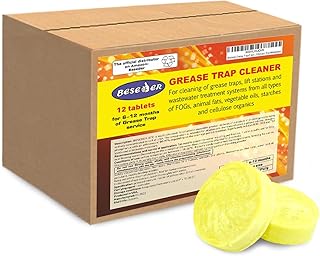
Best for long-term maintenance with a slow-dissolve formula, suitable for ongoing upkeep in busy kitchens or industrial facilities. This option emphasizes gradual grease decomposition, offering a steadier dosing pattern. Caution: effectiveness relies on regular application and proper dosing intervals.
Natural Elements Enzyme Cleaner

Best for general enzyme-based maintenance of grease traps and plumbing systems. This gallon delivers enzyme-focused cleaning to support bacteria activity and odor control. Use for routine upkeep in homes and small commercial kitchens. Limitation: may require consistent use to sustain benefits in high-FOG environments.
Buying Guide: How To Choose Enzyme-Based Grease Trap Cleaners
- What volume matches my system size? Larger traps in restaurants need higher dosing compared to home systems. Look for gallons or multi-pack options for ongoing schedules.
- Is the formula enzyme-dominant? Enzyme cleaners rely on biological activity. For immediate odor control, combine with deodorizing lines or choose products specifically labeled for odor reduction.
- How easy is dosing and storage? Anti-glug bottles, clear dosing charts, and user-friendly packaging help ensure correct usage and safer storage in kitchens.
- Are there pipe-safe and septic-safe claims? For homes with septic systems or sensitive piping, choose non-corrosive, enzyme-based formulas that list safe compatibility.
- Do you need fast or slow results? If you want quick relief from odors, select products emphasizing rapid enzyme action; for long-term maintenance, opt for slow-dissolve, steady dosing.
Practical Tips For Using Enzyme Trapped Cleaners
- Follow dosing schedules exactly as recommended by the manufacturer to avoid under- or over-treatment.
- Pair enzyme cleaners with regular mechanical maintenance, such as removing solids and ensuring proper trap access.
- Store products away from heat and direct sunlight to preserve enzyme activity.
FAQ: Enzymes For Grease Traps
- What do enzyme grease trap cleaners do? They use biological enzymes to digest fats, oils, and grease, reducing buildup and odors.
- Are enzyme products safe for pipes? Yes, most enzyme cleaners are formulated to be safe for pipes and septic systems when used as directed.
- How often should I use enzyme cleaners? Regular dosing according to product directions is recommended, often on a weekly or bi-weekly schedule for busy facilities.
- Can enzyme cleaners replace physical cleaning? Enzyme cleaners support maintenance but do not replace routine physical cleaning of traps and lines when needed.
- Will enzymes work for septic systems? Some enzyme formulas are designed for septic tanks and grease traps; check product labeling for septic compatibility.
- Do enzyme cleaners reduce odors immediately? Odor reduction may occur within hours to days, depending on system size and usage, but full benefits require consistent use.
| Product | ||
|---|---|---|
| GET SERIOUS Grease Trap Treatment | Large commercial grease traps | Regular dosing for odor control and flow |
| Grease Eater Pro Concentrate | High-use kitchens | Daily maintenance with high enzyme activity |
| Green Gobbler Enzyme Drain Cleaner | Pipes, traps, and septic systems | General maintenance and odor reduction |
| Beseder Grease Trap Cleaner | Long-term upkeep | Slow-dissolve formula over months |
| Natural Elements Enzyme Cleaner | General maintenance | Regular enzyme-based cleaning |