
Affiliate disclosure: As an Amazon Associate I earn from qualifying purchases.
A drink on a hard surface and a stain soaked into a car seat are different cleaning jobs. Both involve liquid, but the same compact machine is not necessarily suited to both. Choosing a hand held wet vac starts with deciding whether you need small-spill pickup or a portable machine that applies cleaning solution and extracts it from washable fabric.
This guide checks the five original linked products against those uses. Two are cordless handheld wet/dry vacuums; three are portable carpet and upholstery spot cleaners with hand tools on hoses. They remain useful choices for different parts of home cleanup and car detailing, but the categories are kept separate. The comparison uses product information and relevant manufacturer guidance, without claiming hands-on suction, stain-removal or drying tests.
Choose the cleaning method before comparing machines
- Small wet/dry pickup: choose a handheld model explicitly approved for both types of mess and respect its liquid limit and wet-use setup.
- A stain in washable upholstery: consider a portable spot extractor that sprays the approved formula, allows gentle agitation and recovers dirty water.
- Large standing-water removal: these compact choices should not be assumed to replace equipment rated for that job.
- A dry-only handheld vacuum: do not use it for liquid simply because its housing resembles a wet/dry model.
The amount of liquid, surface material and cleanup access matter more than a broad claim of powerful suction. A handheld vac does not become an upholstery shampoo machine by picking up a little water. A spot cleaner likewise is not a substitute for ordinary dry vacuuming unless its instructions explicitly allow that use.
True handheld options for light spills
Shop-Vac cordless wet/dry handheld: check the deflector before wet use

See Shop-Vac handheld wet/dry on Amazon
The original Shop-Vac selection is Black, with a 7.2V lithium battery, Type-C charging, crevice tool and wall-mounted storage arrangement. The listing describes light liquid spills as well as dry debris. It specifically says to use the wet/dry deflector during wet cleaning to help prevent liquid reaching the motor.
That setup detail is more important than treating every pickup as interchangeable. Find the wet-use instructions and permitted fill level before the first spill. Do not infer a safe liquid capacity from the apparent size of the dust cup. Emptying promptly and keeping the unit in its instructed operating position are part of using a small wet vac appropriately.
The description quotes 5.5 kPa suction, up to fourteen minutes of runtime and a charging time of approximately two and a half hours. These are listed figures, not comparative test results. They do not prove that it will complete every car interior or outperform a hose-based extractor on embedded fabric stains.
Best fit: brief, accessible pickups when cordless handling matters. Purchase checks: wet-use limit, supplied deflector, charging equipment and replacement-filter availability. The listing names filter set 5430710; confirm compatibility with the received model before ordering replacements. A reusable filter still requires the specified cleaning and drying routine.
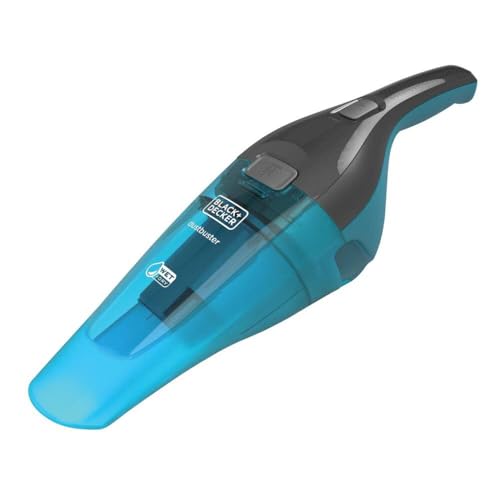
BLACK+DECKER HNVC215BW52: dust-cup capacity is not its liquid limit
See BLACK+DECKER HNVC215BW52 on Amazon
The original dustbuster selection is the HNVC215BW52 cordless wet/dry model. Its Amazon description lists a 13-ounce dustbowl, washable bowl and filter, plus a wall-mountable charger. The exact-model BLACK+DECKER product page identifies a push-in squeegee for liquid pickup up to 5 ounces. Those are different capacities and should not be substituted for one another.
The squeegee makes this a small-spill option, rather than a tool for recovering a large puddle or washing an entire seat. Verify the wet-use setup in the manual, fit the correct attachment and stop at the specified limit. Do not replace it with a visually similar dry-only dustbuster when wet pickup is the reason for buying.
A washable bowl and filter can simplify care, but only the components designated for washing should be rinsed. Follow the drying and reassembly instructions before returning to use or charging. Easy emptying is particularly valuable when a small amount of liquid would otherwise remain in the cup between jobs.
Best fit: quick, small wet or dry cleanups with a dedicated storage and charging point. Purchase checks: exact model, squeegee, battery condition and current availability. It was unavailable at the product check; the confirmed original remains here without adding a different model as a replacement.
Portable extractors for washable fabric and car detailing
BISSELL Little Green Mini 4075: a small corded spot-cleaning setup

See BISSELL Little Green Mini 4075 on Amazon
The original BISSELL link selects Little Green Mini, model 4075, Tea Green. It is a corded portable carpet and upholstery cleaner, not a cordless hand vac. The listed package includes a four-inch Tough Stain Tool with removable lens, a HydroRinse hose-cleaning tool and an eight-ounce bottle of Little Green formula.
The useful distinction is its spray, scrub and suction workflow on suitable soft surfaces. The base stays nearby while you hold the hose tool against the cleaning area. It can suit a localized car-seat or furniture job when the material permits wet extraction and a suitable power source is accessible.
BISSELL’s 4075-series setup guidance calls for removing solids with a dry vacuum first and using compatible portable-cleaner formula. That means it should not be presented as a universal replacement for collecting crumbs, grit and other dry debris. Follow the tank marks and instructions rather than adding household detergent.
Best fit: targeted extraction on approved upholstery, rugs or car fabric. Purchase checks: hose reach, outlet access, tank servicing and formula cost. HydroRinse helps with hose care; it does not eliminate the need to empty, clean and dry the remaining parts as instructed.
Dirt Devil Portable Spot Cleaner: consider the tools and cleanup access

See Dirt Devil Portable Spot Cleaner on Amazon
The linked Dirt Devil product is a Portable Spot Cleaner for carpet and upholstery. Its expanded original listing describes a two-in-one pet tool, four-inch stain tool, hose-rinse system and removable tank lid. It is another hose-based extraction option, with the hand tool doing the surface work rather than the whole machine being held against a spill.
The tool selection may be useful for moving between a seat, stair tread and small furniture area. Check whether each tool fits the space you actually need to reach. A wider head can cover an open patch, but a narrow gap beside a car-seat bolster presents a different access problem.
The removable lid and rinse arrangement matter after cleaning. Look at how you will empty the tank and reach residue around seals and the tool. The listing’s performance language is not evidence of a direct stain-removal advantage over the other extractors, so no ranking of cleaning strength is claimed here.
Best fit: localized fabric cleaning when the included tool combination suits your rooms or vehicle. Purchase checks: approved formula, operating instructions, power and hose reach. Confirm which reservoir a quoted capacity describes before using it to predict refill or emptying frequency.
Shark StainStriker PX202BRN: a four-tool package and separate formulas

See Shark StainStriker PX202BRN on Amazon
The original Shark link currently selects StainStriker + 4 Tools + XL Cleaning Solutions, PX202BRN. The package description lists a crevice tool, 3.5-inch stain tool, seven-inch XL stain tool, Pet Mess Extractor, sixteen-ounce Deep Clean Pro formula and thirty-two-ounce OXY Multiplier formula. Other options on the page have different tools or supplies.
The system uses the specified formulas together in its designed cleaning arrangement. Follow the exact machine instructions for the tanks and filling steps. Do not interpret two supplied formulas as permission to mix unrelated cleaning chemicals, substitute dish soap or use either product on every fabric.
The tool range can suit different-sized washable areas, but more accessories are useful only if you will use and clean them. Check storage space and access to the parts after a messy job. The seller’s multiplier and odor-removal claims are not treated as independent comparisons with other machines in this guide.
Best fit: spot cleaning when the four-tool selection addresses your actual surfaces. Purchase checks: exact bundle, continuing formula supply, fabric compatibility and maintenance instructions. Confirm the tools in the received box instead of assuming every StainStriker variant includes the same extras.
Buying guide: match the machine to the surface
Check whether the material permits wet cleaning
Read the furniture, rug or vehicle-material care instructions before applying liquid. A surface that looks like ordinary fabric may have a finish, backing or construction that changes the cleaning method. When guidance is missing or unclear, obtain it rather than assuming a portable extractor is safe.
Test an approved cleaner in an inconspicuous place using the material maker’s method. Check for color transfer, changes in texture or marks after drying. A promising result while the area is still wet does not settle every compatibility question. Avoid aggressive scrubbing simply because the tool has bristles.
Separate loose dirt from embedded stains
For an extraction job, remove loose dry debris by the appropriate dry-cleaning method first. That reduces what must pass through the small hose and nozzle. The BISSELL guidance makes this distinction explicit; for the other machines, follow their own preparation instructions.
Then identify the remaining mark and use only the approved treatment. A stain that has aged, dyed the material or reached the padding may not respond like a fresh surface spill. Portable equipment can be useful without guaranteeing complete restoration of every stain or odor.
Do not compare specifications across unlike machines
A suction-pressure figure, voltage or wattage does not by itself tell you how much dirty water a nozzle will recover from a seat. Tool contact, airflow, seals and the material being cleaned also matter. Likewise, a rechargeable hand vac’s runtime does not describe a corded extractor’s working duration.
Compare like-for-like features that affect your task: permitted liquid amount for small pickup, tool access for fabric work, tank handling, power reach and care requirements. Avoid buying from a single headline number when the cleaning method is wrong for the surface.
Portability, reach and tank handling
Consider the full working setup rather than just the empty machine’s weight. A spot cleaner carries water and formula, and you need a stable place for the base while using the hose. Keep it positioned as instructed and avoid pulling it around by the hose when a tool cannot reach.
For car detailing, check outlet access, door opening and the route to the far side of the seat. A compact base that fits near the car may still leave the tool short of an awkward corner. Cordless handhelds solve a mobility problem, but their small liquid limits and lack of a spray system remain relevant.
Tank handling also affects convenience. Ask whether you can remove the dirty tank without spilling, clean the lid and seals, and carry it to the disposal point. A larger nominal tank is less helpful when its shape makes cleaning difficult or the machine becomes awkward to carry while filled.
Allow room for storage after drying. The hose, nozzle and attachments need an orderly position that does not stress connectors. Keep the model number and the successful replacement-part details available; matching a filter or seal by appearance alone can lead to the wrong purchase.
Working carefully on a small fabric-cleaning job
- Confirm care instructions: establish that the surface and selected formula permit the intended wet-cleaning method.
- Prepare the area: remove loose debris and place the base where the hose can reach without strain.
- Fill correctly: use the instructed liquid and fill marks, keeping clean and recovered water separate.
- Control application: follow the tool’s spray and agitation guidance instead of repeatedly soaking the area.
- Recover and check: use the instructed extraction passes and monitor the dirty tank.
- Allow drying: keep the cleaned surface out of use until sufficiently dry for its material and setting.
More solution is not automatically better. Overapplication can make drying more difficult and reach areas you cannot recover effectively. In a vehicle, keep liquid away from components and materials that are not approved for wet cleaning. Do not treat an extractor as permission to saturate switches, seams or concealed electronics.
Drying time varies with the amount applied, fabric, padding, airflow and conditions. No instant-drying promise is made for these products. Check the material after the cleaning session and plan enough time before the seat or furniture must be used again.
Care after wet pickup or extraction
Follow the machine’s shutdown and maintenance instructions before emptying or opening components. Remove recovered liquid promptly, clean the designated parts and let them dry as directed. Do not store dirty water inside a tank simply because the next cleaning job is expected soon.
A hose-rinse or self-cleaning attachment is a maintenance aid, not a guarantee that every seal, filter and tool is clean. Look at the components that the instructions identify for separate care. If suction changes unexpectedly, inspect the permitted troubleshooting points rather than continuing with a full tank or blocked opening.
For a washable filter, respect the drying requirement before reassembly. Washing the motor housing is a different matter and should not be inferred from the word washable. Keep charging equipment and electrical components dry according to the supplied directions.
Check the received machine before the first messy job
Match the model label, attachments and power equipment to the ordered selection. Check tanks, seals and connectors for shipping damage, and make sure the tools fit without force. An incorrect accessory or a missing wet-use component should be resolved before attempting liquid pickup. Keep packaging and the order details until the basic checks are complete.
Read the startup instructions and perform any instructed charging, priming or assembly steps. For an extractor, choose a small permitted test area rather than beginning with the most difficult stain in the house. For a handheld, verify the specified wet setup and liquid limit before use. Do not test either category with an improvised chemical mixture.
Finally, practice emptying and cleaning the relevant parts. Check where a tank can be opened and how the nozzle comes apart for routine care. A simple first-use rehearsal makes it easier to judge whether the machine suits your storage space and cleaning habits while ordinary return options remain available.
Questions worth resolving before purchase
Can one of these replace every vacuum in the house?
No single replacement claim is supported. The handhelds cover small approved pickups; the extractors handle localized wet fabric cleaning. Whole-room dry vacuuming, large liquid removal and specialized cleanup may require equipment designed for those tasks.
Is a pet tool a guarantee of odor removal?
No. A specialized tool can affect how a mess is collected, but the surface, depth of contamination, formula and cleaning method affect the result. Follow the product and material directions, and seek suitable help when an odor persists beneath the accessible surface.
What should I compare when prices are close?
Choose the right cleaning category first, then compare supplied attachments, maintenance access, replacement parts and running supplies. A machine that is easy to set up and clean for your specific job is more useful than extra features that do not address the mess you normally face.