As an Amazon Associate I earn from qualifying purchases. These links may earn this site a commission when you buy, at no extra cost to you.
Choosing the right liquid paint remover for wood hinges on the project scale, paint type, and indoor safety needs. This guide covers five top options designed to remove multiple layers of paint or varnish efficiently, with attention to methylene chloride-free formulas and user-friendly applications. It’s ideal for DIYers, homeowners refinishing furniture, and professionals tackling old coatings. The following brief table summarizes the picks and their best-use scenarios.
| Product | Best For | Volume | |
|---|---|---|---|
| Sunnyside 2-Minute Remover Advanced Detailing Liquid Paint & Varnish Remover | Thin coats or detailed work on furniture | 1 Quart | Fast, multi-layer removal; methylene chloride-free |
| Max Strip Paint & Varnish Stripper (32 oz) | Homes and projects with multiple surfaces | 32 oz | No caustics; handles latex, oil, varnish in one application |
| Sunnyside 2-Minute Remover Gel (Quart) | Vertical or horizontal surfaces; safer gel formula | 1 Quart | Strips in one application; safe for wood, metal, masonry |
| Sunnyside 2-Minute Remover Advanced Paint & Varnish Remover (1 Gallon) | Larger projects or refinishing jobs | 1 Gallon | Large-volume, methylene chloride-free, multi-layer removal |
| Krud Kutter Latex Paint Remover Spray (24 oz) | Spot cleaning and cleanup after painting | 24 oz | Good for dried or fresh latex paint; versatile surface prep |
Sunnyside Corporation 2 Minute Remover Liquid Paint & Varnish Remover

Best for: DIY homeowners and woodworkers tackling multiple layers without resorting to harsh solvents. This quart-size liquid remover supports fast action on both paint and varnish. It is advertised as methylene chloride-free, reducing health concerns associated with stronger formulas. The product is suitable for wood surfaces and can handle several layers in one pass, making it a practical choice for table refinishing, cabinets, and similar projects. A potential limitation is the need for a careful timing check and scraping in the recommended intervals to avoid over-softening delicate wood.
Sunnyside 63432 2-Minute Remover Gel
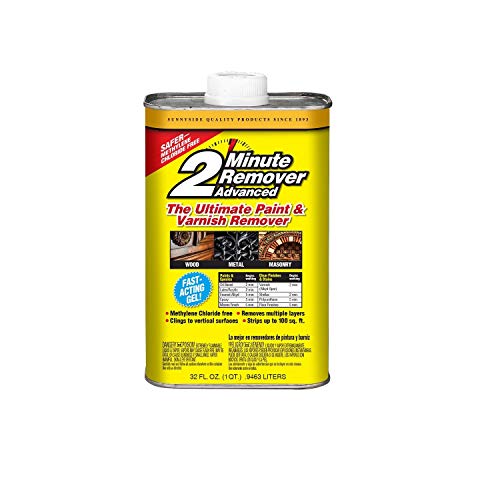
Best for: Surfaces where gravity or spill risk makes liquid applications undesirable. The gel formula reduces run-off and is noted for its safety profile, being methylene chloride-free. It adheres to vertical and horizontal surfaces and can strip multiple layers of paint or varnish without damaging wood, metal, or masonry. Choose this if you’re refinishing a wall panel or molding where splashes are a concern. A caveat: gel coverage may require longer dwell times on very thick layers compared to liquid forms.
Max Strip Paint & Varnish Stripper (32 oz)
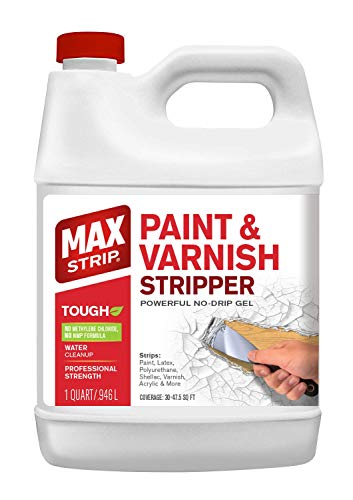
Best for: Projects that require removing both latex and oil-based coatings across multiple surfaces. This product emphasizes that it contains no methylene chloride or NMP and is designed for multiple surface types including wood, metal, masonry, plaster, and tile. It’s well-suited for DIYers who want a contractor-grade result with straightforward application. Limitation: effectiveness can depend on dwell time, which may vary by coating thickness and environmental conditions.
Sunnyside 2 Minute Remover Advanced Paint & Varnish Remover (1 Gallon)
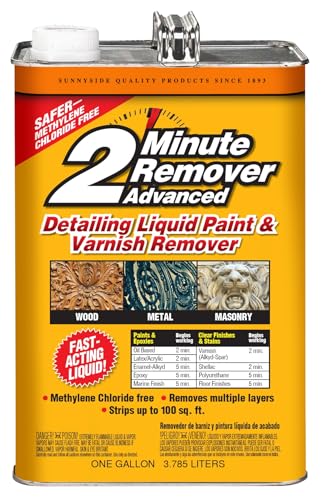
Best for: Large wood projects or refinishing tasks where volume matters. The gallon format provides more coverage per project and supports fast removal of multiple layers. Like the quart version, this product is advertised as methylene chloride-free, aligning with safety-conscious projects. A potential limitation is heavier handling due to the larger container, which may require more careful disposal and storage considerations after opening.
Krud Kutter Latex Paint Remover Spray

Best for: Quick cleanup of dried or fresh latex paint on floors, tile, wood, and other hard surfaces. The spray format makes it practical for spot treatment and targeted removal, especially in carpentry projects or touch-up tasks. It’s useful for pre-refinishing prep to ensure the surface is paint-free before sanding or repainting. Limitation: spray products can be less economical for large areas compared to gel or liquid strippers; coverage should be planned accordingly.
Buying Guide: Key Considerations For Choosing A Wood Paint Remover
- Coating Type: Determine whether you’re dealing with latex, oil-based, enamel, varnish, or polyurethane. Some removers are designed specifically for latex, while others target oil-based coatings more effectively.
- Formula Type: Methylene chloride-free options reduce exposure risk. Gel formulations help with vertical surfaces and reduce drips, while liquids are often faster for horizontal surfaces.
- Wood Sensitivity: If wood is thin or highly figured, choose milder formulas and follow dwell times strictly to avoid gouging or grain damage.
- Project Scale: Large refinishing jobs may benefit from gallon-sized removers, while smaller projects may be better served by quart bottles for better control.
- Application & Safety: Always use gloves, ventilation, and protective eyewear. Check if the product requires scraping or buffering after the dwell period.
- Cleanup & Cleanup Tools: Consider what tools are needed for removal (scrapers, brushes) and whether the product supports easy cleanup after use.
- Surface Compatibility: Confirm the remover is safe for wood, metal, and masonry if your project involves multiple surfaces.
FAQ
- Q: Are these products safe for indoor use? A: Most methylene chloride-free removers are marketed as safer for indoor use, but always ensure proper ventilation and follow label instructions.
- Q: Can I use these on antique or finished wood without affecting the finish? A: It depends on the finish and wood type. Always test a small inconspicuous area first and observe for any unwanted reactions.
- Q: How long should I leave the remover on wood? A: Dwell times vary by product and coating; follow the manufacturer’s guidelines and recheck periodically with a scraper.
- Q: Is a gel remover better than a liquid remover? A: Gel can reduce run-off and is useful on vertical surfaces; liquids may work faster on flat surfaces. Choose based on your surface orientation and project needs.
- Q: Do these products require protective gear? A: Yes. Use gloves, eye protection, and ensure good ventilation. Some formulations may have lingering odors; plan accordingly.
- Q: Can I reuse containers after finishing the project? A: Many removers must be disposed of per local regulations. Do not reuse containers for food or drink storage.