
Looking for a reliable liquid to remove paint and related messes? This guide highlights five effective options for different surfaces and messes. Best for DIY painters, professionals cleaning up spills, and homeowners preparing surfaces for repainting. Each product is chosen for clear action, surface compatibility, and practical use cases.
Summary of selected products:
| Product | Best For | Why Selected | Limitations |
|---|---|---|---|
| MiracleWipes for Paint Prep & Cleanup | Wet or uncured paint messes | Convenient wipe format; quick cleanup; reduces smears | May require multiple wipes for very large spills |
| Krud Kutter Gloss-Off Prepaint Cleaner | Cabinets, trim, doors, furniture prep | Degloses and cleans in one step for better paint adhesion | One-step cleaner, not a solvent remover for thick coatings |
| Motsenbocker’s Lift Off 41301 Latex Paint Remover | Multiple surfaces; latex paint cleanup | Water-based, biodegradable; solid paint for disposal | May require time to work on very old paint; follow safety guidelines |
| Krud Kutter Latex Paint Remover Spray | Floors, tile, wood; balcony and workshop cleanup | Removes dried and fresh latex paint on hard surfaces | Spray formula; ensure ventilation during use |
| JASCO Liquid Mask & Peel | Windows, trim, glass surfaces during painting | Liquid masking alternative; clean glass and precise edges | Not a paint remover for bulk coatings; use for masking prep |
MiracleWipes For Paint Prep & Cleanup

Best for immediate cleanup of wet and uncured messes from hands, surfaces, and tools. The dual-textured wipe helps pull contaminants away, reducing smears. Choose this if you need fast, convenient cleanup after painting or caulking.
Caution: Use more than one wipe for larger messes. Not a long-term solvent for heavy coatings.
Krud Kutter Gloss-Off Prepaint Cleaner

Best for preparing surfaces before repainting by removing gloss and dirt in one step. It helps with cabinet, trim, and furniture prep to improve paint adhesion. Best for those who want a one-step deglossing and cleaning solution.
Limitation: May not remove heavy built-up finishes as effectively as sanding; use where deglossing is the primary goal.
Motsenbocker’s Lift Off 41301 Latex Paint Remover

Best for multi-surface paint removal, including latex paints, enamels, and stencil paints. Water-based and biodegradable, it’s designed to be safe on fabrics and tools, with solid paint for easy disposal. Choose this when you need a versatile, cleanup-ready remover that travels across surfaces.
Limitation: Performance may vary by surface; test on a small area first.
Krud Kutter Latex Paint Remover Spray

Best for quick cleanup on floors, tile, and wood. The spray format makes it easy to apply and rinse away dried or fresh latex paint. This is a practical choice for spot cleaning and prep work before refinishing.
Limitation: Use in well-ventilated areas; avoid prolonged skin contact without protection.
JASCO Liquid Mask & Peel
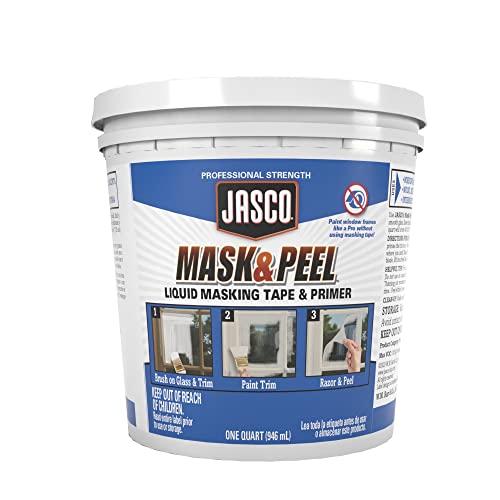
Best for masking windows and trim without traditional tape. It primes and seals surfaces while leaving glass residue-free. Ideal for professional-looking edging and clean lines on window frames and doors.
Limitation: Not a paint remover; use as masking liquid for prep rather than coating removal.
Meguiar’s Ultimate Compound

Best for automotive paint correction by removing scratches and oxidation while adding gloss. Choose this for a showroom-like finish after removing or correcting paint defects. Suitable for manual or machine application on clear coats.
Limitation: Primarily for automotive finishes; not a general surface paint remover for non-vehicle use.
Buying Guide: Key Considerations For Liquid Paint Removers
What type of mess are you cleaning up? For fresh spills, wipe-on and spray formulas offer quick results. For prepared painting surfaces, deglosers and prep cleaners improve adhesion. Consider surface compatibility, ventilation needs, and disposal rules when selecting a product.
Surface compatibility matters. Always test a small, inconspicuous area first. For delicate fabrics or upholstery, choose a product labeled safe for those materials. For hard surfaces like wood or tile, a stronger remover with fast acting chemistry may be appropriate, but always follow safety instructions.
Application method should match the job. Wipes work well for hands and tools; sprays are better for floors and large areas; masking liquids help with edges and glass. Plan for cleanup time and disposal requirements of the product you choose.
Safety first. Use gloves, ensure proper ventilation, and store products as directed. Avoid mixing cleaners or using them on surfaces not specified by the manufacturer.
FAQ
- What is the easiest liquid to remove paint from small surfaces? Wipes or sprays designed for hit-and-run cleanup are best for small spots and tools.
- Can these products remove dried paint? Yes, several products are formulated to tackle both fresh and dried latex paint, depending on the surface.
- Are these products safe on wood? Many are suitable for wood; always test a small area first and follow the label instructions.
- Do I need protective gear? Yes. Use gloves and ensure good ventilation, especially with solvent-based formulas.
- Can I use these on fabrics? Some products are designed for fabrics, others are not. Read the label to confirm fabric safety.