As an Amazon Associate I earn from qualifying purchases. These links may earn this site a commission when you buy, at no extra cost to you.
Answering the question “which mold cleaner for cars should I use?” these products target mold, mildew, and musty odors inside vehicle interiors and HVAC systems. They range from odor-neutralizing foggers to spray cleaners that kill mold at the source. This guide helps you pick the right option for your car, truck, or SUV—whether you’re dealing with damp carpets, headliner smells, or moldy vents.
| Product | Best For | Key Benefit |
|---|---|---|
| Concrobium Mold Control, 32 oz Spray | Homes and Cars Requiring Odorless Mold Control | Eliminates mold at the source and creates a preventive barrier |
| ZORBX Extra Strength Remover & Cleaner Spray | Stubborn Stains And Odors Everywhere | Multi-surface, no-scrub formula for tough stains and odors |
| InterDynamics A/C Pro Vent & Duct Cleaner | Vehicle HVAC Odors | Odor neutralizer formulated for automotive systems |
| DWD2 Protect Automotive Mold Treatment (Fogger) | Deep Interior Mold Odors and Odor-Protection | Plant-based mold-treatment that keeps vents fresh long after use |
| MOLD ARMOR Professional Mold Kill & Control Spray | Hard Surfaces And Quick Fixes | Fast-acting, visible results on non-porous surfaces |
Concrobium Mold Control, 32 oz Spray

Concrobium Mold Control is designed to target mold at the source and leaves behind a barrier to deter future growth. This EPA-registered solution is bleach-free, odorless, and VOC-free, making it suitable for cars without introducing harsh fumes. It’s positioned for both indoor use and vehicle interiors where mold can persist in damp carpets, seals, or headliners.
Best for: Car owners seeking a non-irritating, neutral-smelling mold solution that prevents regrowth after cleaning. It’s particularly helpful for vehicles with lingering musty odors but where you don’t want to introduce harsh chemical smells during treatment.
Why selected: It provides a dual-action benefit—eradication of existing mold and a protective barrier to slow future growth—without bleach or strong odors, which is appealing for in-car use where passengers may be sensitive to harsh chemicals.
Caution: For severe mold or extensive water damage, consider combining with professional remediation for full interior restoration.
ZORBX Extra Strength Remover & Cleaner Spray 24 FL Oz

ZORBX offers an extra-strength, scrub-free cleaner that tackles tough stains and odors across multiple surfaces. This spray is marketed as a multi-surface solution, suitable for automotive interiors, including tires, carpet, mats, vinyl, and more. It’s designed to lift deep-seated grime and remove odors without aggressive scrubbing, which can be helpful when cleaning car carpets or fabric seats that harbor mold-related smells.
Best for: Car owners dealing with persistent stains and odors on interior surfaces, including fabric upholstery and carpet, who also want a single product that can cover multiple areas beyond the car interior.
Why selected: The product emphasizes 2X strength and easy, no-scrub results, which can be advantageous for quick interior refreshes without renting specialized equipment.
Caution: For delicate fabrics or porous surfaces, test in an inconspicuous area to avoid discoloration or texture changes.
InterDynamics Certified A/C Pro Vent and Duct Cleaner

This product targets automotive HVAC odors by neutralizing malodors inside vents and ductwork. It’s labeled as a DIY solution for the car’s ventilation system and is designed to help eliminate the musty smell caused by mold, mildew, or stale air circulating through the HVAC. The focus is on air quality inside the cabin rather than surface cleaning.
Best for: Vehicle owners who notice odor from the HVAC system, especially after humid conditions or after air-drying carpets and upholstery that contributed to inside-the-vehicle smells.
Why selected: It’s specifically tailored for cars, offering a targeted approach to odor control within the ventilation system, which is a common source of mold-related smells inside vehicles.
Caution: Use as directed for vehicles with critical airflow constraints; ensure the system is fully ventilated after treatment.
DWD2 Protect Automotive Mold Treatment

DWD2 presents a plant-based mold-treatment fogger designed to neutralize odors in automotive ventilation systems and the interior cabin. This fogger claims long-lasting freshness through active enzymes that stay effective post-application. The product emphasizes a broad interior reach—vent ducts, seats, headliner, and carpet—making it a solid option for vehicles with pervasive odors tied to mold or dampness.
Best for: Car owners seeking a comprehensive interior refresh using a fogger that treats the whole cabin area rather than spot-cleaning. It’s especially appealing when the odor is widespread rather than localized to one surface.
Why selected: The plant-enzyme formulation is positioned to deliver lasting odor control, offering a different approach from surface cleaners by treating unseen areas in the ventilation and upholstery.
Caution: Foggers require proper ventilation during and after use; follow directions to avoid over-application in confined spaces.
MOLD ARMOR Professional Mold Kill & Control Spray
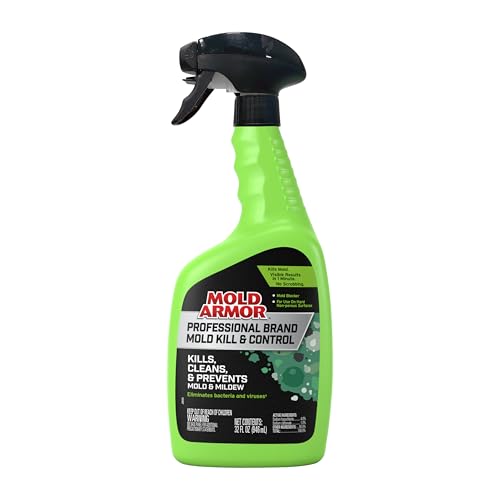
MOLD ARMOR’s professional-grade spray is a fast-acting option for hard, non-porous surfaces. It cleans, kills, and prevents mold and mildew, delivering visible results in minutes without scrubbing. This makes it a practical choice for areas like plastic trim, metal components, sealed grout, and other non-porous car surfaces where mold growth tends to appear after moisture exposure.
Best for: Car owners who want a quick, surface-focused solution for non-porous areas such as dashboards, door panels, and sealed grilles where mold often appears after damp conditions.
Why selected: The product’s emphasis on rapid results and non-scrubbing action makes it suitable for busy schedules and for maintaining visible surfaces in cleaner condition between more thorough cleanings.
Caution: Not ideal for porous fabrics or upholstery; use on approved hard surfaces only as directed.
Buying Guide: Key Considerations And How To Choose
- Surface compatibility: Porous surfaces (fabric, carpet, headliner) require different products than hard surfaces (plastic, metal). If mold is deep in fabric, consider products designed for upholstery or a combination approach with a fabric-safe cleaner followed by odor neutralization inside the HVAC.
- Odor control vs. mold kill: Some sprays focus on killing mold at the source, while others emphasize deodorizing. For cars with persistent musty smells, look for products that address both mold elimination and ongoing odor control.
- Application method: Sprays, aerosols, and foggers each have pros and cons. Foggers can treat the entire cabin but require ventilation and careful use; sprays offer targeted cleaning but may require more effort to reach hidden mold pockets.
- EPA-Registration and safety: EPA-registered products provide a baseline assurance of mold-control claims when used as directed. Bleach-free and VOC-free formulas are gentler for in-car environments and occupied vehicles.
- Ventilation system focus: If odors appear primarily from the HVAC system, prioritize a vent-and-duct cleaner or a fogger designed for automotive interiors to address the vents and ducts where mold spores can linger.
- Test and patch: Always test a small inconspicuous area first for fabric colorfastness or surface compatibility before broad application.
- Usage scenario: For ongoing vehicle use, consider a two-step approach—surface cleaner for visible mold and an odor-control method (fogger or HVAC treatment) to reduce future odors.
Frequently Asked Questions
- What’s the safest mold cleaner for cars?
- Can I use a fogger inside a car?
- Should I treat the HVAC system separately?
- How long does it take to see results?
- Are there products to prevent mold returning?
- Should I replace old damp carpets after mold treatment?
The safest option is a bleach-free, odorless formula registered with the EPA for mold control, used as directed. This reduces harsh fumes while still targeting mold growth.
Yes, but follow the product’s directions and ensure adequate ventilation during and after use. Foggers should be used in unoccupied vehicles and allow time for the interior to air out before driving.
For odors originating from the vents or ducts, use an HVAC-specific cleaner or vent/duct cleaner designed for automotive systems to address hidden mold within the system.
Most products claim visible results within minutes for surface cleaners. Deep cleaning and odor reduction may take longer and may require multiple applications or follow-up treatments.
Yes. Look for products that leave a protective barrier or install a treatment that inhibits regrowth, such as a mold-control spray or a barrier-forming solution designed for interior car surfaces.
Significant mold on porous materials like damp carpets or headliners may require professional remediation or material replacement to fully restore the interior environment.