
Answering the search for non plastic trash bags, this guide highlights durable, plant-based and compostable options. These bags aim to reduce fossil fuel use, lower plastic waste, and fit common tall kitchen bins. They’re best for eco-conscious households, offices seeking greener waste handling, and anyone needing sturdy, leak-resistant liners for kitchen scraps and everyday trash.
The following table summarizes five top non plastic trash bag options, chosen for clear material notes, bag size, and practicality for common waste tasks.
| Product | Size / Capacity | Material Insight | Count |
|---|---|---|---|
| 13 Gallon | Plant-based sugarcane, USDA Biobased | 45 | |
| 13-15 Gallon | Plant-based Plastarch Material (PSM), industrially degradable | 60 | |
| 13 Gallon | Plant-based sugarcane, USDA Biobased | 90 | |
| 4 Gallon | Corn starch based, plant-derived, expanded thickness | 200 | |
| 13 Gallon | Compostable, 1 mil thick, ASTM D6400 | 30 |
Hippo Sak Plant Based Tall Kitchen Bags — 45 Count

Best for: small to medium households that want a compact, eco-friendly option with reliable leak resistance. These bags are crafted from plant-based materials (sugar cane) and are USDA certified as biobased. They emphasize reduced carbon footprint and are positioned as a sustainable choice versus traditional plastic bags.
Why this selection: The 13-gallon size fits standard tall kitchen bins, and the plant-based composition helps minimize fossil fuel use. The ergonomic handles and strong structure contribute to easy bagging and disposal.
Caution: While plant-based, verify local composting or waste processing capabilities, as some facilities may not process all biobased materials identically to conventional plastics.
AYOTEE Compostable Trash Bags — 60 Count
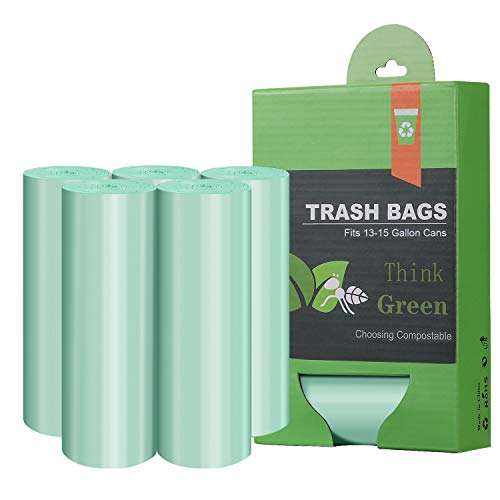
Best for: households needing larger compostable liners for kitchen scraps and regular trash with industrially degradable features. The 13-15 gallon range provides flexibility for tall bins, and the 60-count pack offers long-term supply.
Why this selection: AYOTEE bags use Plastarch Material (PSM) derived from renewable plant starch extracts. They carry an ASTM D6866 certification, supporting environmental claims. The size and thickness help prevent bag slippage and tears during use.
Caution: They are designed to degrade under industrial conditions; home composting may not consistently achieve the same result, so use according to local guidance.
Hippo Sak Plant Based Tall Kitchen Bags — 90 Count

Best for: larger households or those who want fewer frequent bag replacements while still preferring plant-based materials. The high count supports steady use across multiple bins or a busy kitchen.
Why this selection: The same plant-based formulation as the 45-count version, offering extended supply without sacrificing eco-friendly credentials. The robust, leak-resistant design makes it suitable for heavy waste loads.
Caution: Ensure you store bags away from heat or direct sunlight to preserve material integrity over time.
Inwaysin 4 Gallon Biodegradable Trash Bags — 200 Count
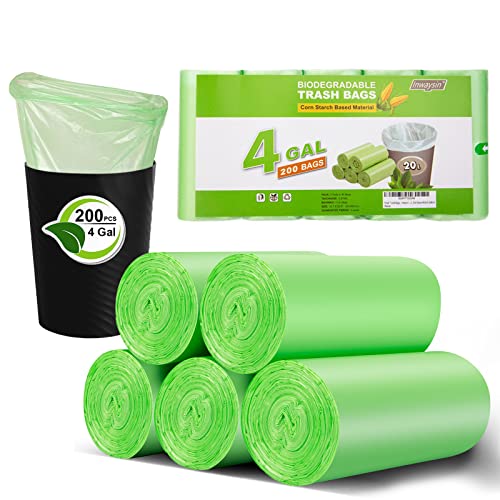
Best for: small trash bins in bathrooms, offices, or kitchens where a compact, biodegradable liner is preferred. The 4-gallon size is a common fit for compact waste cans and extra-thick design helps prevent leaks.
Why this selection: Made from corn starch-based material, these bags emphasize biodegradability and are designed to be tear-resistant with a thicker gauge (0.87 mil). The expanded size aids easier bagging and reduces tearing during disposal.
Caution: They are designed for 4-gallon cans; using them in much larger bins may lead to excessive stretch or potential tears if heavily loaded.
Simply Bio 13 Gallon Compostable Drawstring Bags

Best for: users seeking a reliably leak-resistant compostable option with drawstring closure for easy handling. The 1 mil thickness adds durability for daily kitchen waste and scraps.
Why this selection: These bags are ASTM D6400 certified and OK compost Home approved, aligning with consumer demand for home compostable packaging. The drawstring makes securing bags simple and clean.
Caution: While designed for home composting, confirm local facilities’ ability to process compostable bags to ensure proper disposal in your area.
Buying Guide
What should I look for in non plastic trash bags?
- Material origin: Plant-based or compostable materials reduce fossil fuel use; verify certifications like USDA Biobased, BPI, or OK compost.
- Size and fit: Choose a bag size that matches your bin capacity (e.g., 13-15 gallon for tall kitchen bins; 4 gallon for small cans).
- Thickness and durability: Higher mils (like 1 mil) provide better puncture and tear resistance, especially for heavy or wet waste.
- Degradability scope: Some bags are industrially compostable; check local facilities and disposal guidelines.
- Closure type: Drawstrings or ties help secure bags against leaks and spills.
Which option is best for different buyers?
- Eco-minimalists: Plant-based or compostable bags from Hippo Sak or HoldOn align with greener disposal practices.
- Busy households: Higher-count packs (AYOTEE, Inwaysin) reduce replacement frequency and simplify shopping.
- Small-space users: 4-gallon options (Inwaysin) fit compact bins without excess material.
- Home composting-friendly shoppers: Look for bags with OK compost Home or ASTM D6400 certifications (Simply Bio, SUPERBIO, HoldOn).
How do I dispose of these bags properly?
- Plant-based and compostable bags: Follow local composting or waste management guidelines; some facilities accept compostable bags as compostable material.
- Biodegradable or starch-based bags: May require industrial composting; confirm with your local waste provider.
- Non-compostable plant-based bags: If labeled as biobased, they may still be collected with general waste in some areas.
FAQ
- Are plant-based trash bags really more eco-friendly than regular plastic bags? Yes, they typically use renewable resources and reduce fossil fuel reliance, with lower carbon footprints depending on disposal methods.
- What does BPI or OK compost certification mean? They indicate the bags meet specific standards for compostability under defined conditions.
- Can I use compostable bags for regular trash? Yes, in some cases they are suitable; however, verify local facility guidelines for disposal.
- Do these bags tear less than standard plastic bags? Many are designed with thicker gauges and multi-ply construction to reduce leaks and tears.
- Is there a downside to choosing compostable bags? Availability of composting facilities and local regulations can affect disposal outcomes.
- Which bag is best for a 13-gallon kitchen bin? Plant-based tall kitchen bags or compostable liners in the 13-gallon range generally provide a good balance of fit and durability.