
Answering your search for a septic-safe shower cleaner, this guide highlights enzyme-based and plant-powered options that keep bathrooms clean without compromising septic systems. The top picks are suited for different needs: enzyme-based cleaners for odor and residue control, no-scrub foams for convenience, and plant-based blends for daily maintenance. Whether you want deep grime power, weekly upkeep, or daily sprays, these products help minimize harsh chemicals while protecting your septic system.
Buyer summary at a glance. The table below compares the five selections most aligned with septic safety, enzyme action, and practical use in typical American bathrooms.
| Product | Best For | Septic Friendly | Notes |
|---|---|---|---|
| Biokleen Bac-Out Natural Bathroom Cleaner | Enzyme-powered deodorizing and stain removal | Yes | Plant-based, lavender lime scent, multi-surface |
| naturally it’s clean Bathroom Cleaner | All-in-one bathroom cleaner in 1 bottle | Yes | Plant-based enzymes, septic safe |
| Wet & Forget Shower Cleaner | Weekly, no-scrub maintenance | Yes | Bleach-free, broad surface compatibility |
| ATTITUDE Shower & Tile Cleaner Spray | EWG Verified, daily spray for surfaces | Yes | Natural origin ingredients, no rinse required |
| Lysol Power Foaming Bathroom Cleaner | Deep cleaning and sanitizing | Moderate | Disinfects; use as directed; may not be ideal for all septic systems |
Biokleen Bac-Out Natural Bathroom Cleaner
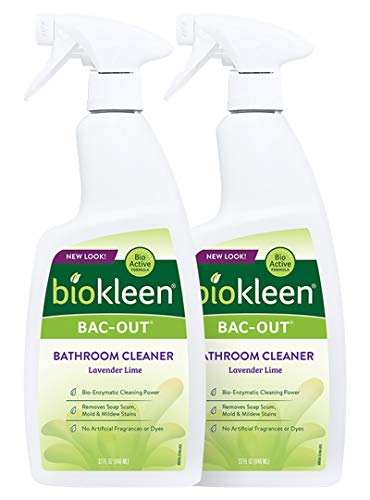
Product snapshot: Biokleen Bac-Out uses a bio-active enzyme formula to break down and absorb organic material, helping deodorize and remove soap scum on multiple surfaces including floors, showers, tubs, and countertops. The lavender lime aroma provides a refreshed bathroom feel. Best for buyers seeking an eco-friendly, plant-based solution that emphasizes enzymatic cleaning over harsh chemicals.
Best for: Homeowners who want a natural, enzymatic cleaner that tackles organic buildup and odors. This is a strong option for bathrooms with persistent smells from urine or organic residues in tubs and showers.
Why selected: The enzyme blend targets buildup at the source, reducing the need for aggressive scrubbing. It is versatile across common bathroom surfaces and adheres to eco-conscious preferences.
Limitations: Some users may require additional wipe-downs on very stubborn stains; the scent is noticeable but not overpowering for most users. Packaging varies, which may affect container size in some shipments.
naturally it’s clean Bathroom Cleaner

Product snapshot: This 2-pack uses plant-based enzymes to clean toilet bowls, tubs, tile, showers, and sinks, removing soap scum and hard water buildup. It emphasizes septic safety and can deodorize while cleaning. It’s positioned as a space-, time-, and money-saving option for whole-bathroom coverage in one bottle.
Best for: Buyers seeking an all-in-one, plant-based solution that minimizes chemical exposure and supports septic systems while cleaning multiple bathroom surfaces.
Why selected: The product emphasizes septic safety and enzyme activity, making it a practical choice for households worried about septic impact and odor control across fixtures.
Limitations: As with enzyme-focused cleaners, heavy resin or mineral buildup may require repeated applications. The scent is pleasant but mild, so users accustomed to stronger fragrances may want a secondary freshener.
Wet & Forget Shower Cleaner
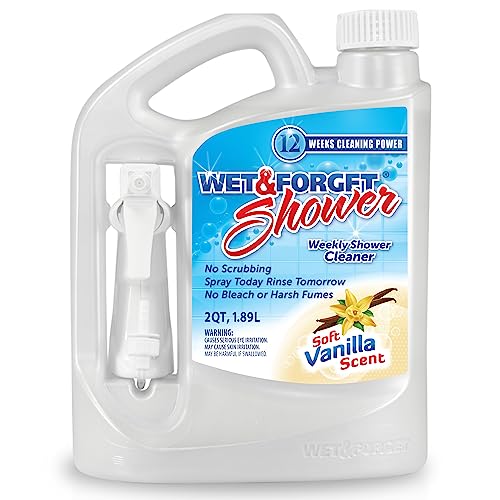
Product snapshot: Wet & Forget Shower is a weekly spray that requires no scrubbing. It targets soap scum, grime, and body oils in showers and bathtubs on non-porous surfaces. The formula is bleach-free and designed to be safe on glass, porcelain, fiberglass, metal, sandstone, and tile with routine use. It does not require rinsing for daily upkeep.
Best for: People who want a low-effort, weekly maintenance routine without scrubbing. It’s ideal for busy households and renters who need a simple, non-abrasive approach.
Why selected: The “no-scrub” approach reduces effort and time spent cleaning, while broad surface compatibility helps manage daily bathroom upkeep efficiently.
Limitations: While effective for light to moderate buildup, heavy stains may need more frequent applications or supplementary cleaning. Not recommended for natural marble surfaces; preliminary spot tests are advised.
ATTITUDE Shower & Tile Cleaner Spray

Product snapshot: This spray is EWG Verified and uses 94% natural-origin ingredients to remove soap scum, limescale, and stains while leaving a citrus scent. It’s designed for daily use on tubs, tiles, ceramic, shower glass doors, and other bathroom surfaces with no rinsing required.
Best for: Eco-conscious shoppers who want a verified, plant-based daily cleaner that minimizes chemical exposure and avoids rinsing after use.
Why selected: The EWG verification adds an extra layer of consumer trust, and the product’s plant-based formulation suits households seeking safer bathroom cleaning options.
Limitations: The product relies on natural ingredients, which may require more frequent application for tougher buildup. It’s not a disinfectant, so consider separate disinfection if required.
Lysol Power Foaming Bathroom Cleaner
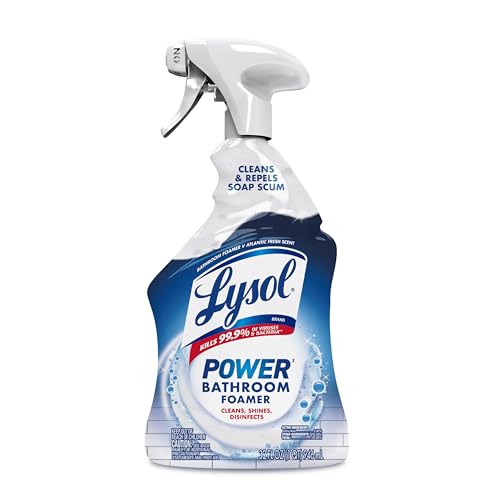
Product snapshot: Lysol Power Foaming Bathroom Cleaner offers a fast-acting foaming spray to clean and sanitize shower doors, bathtubs, tiles, and sinks, killing 99.9% of bathroom germs when used as directed. It aims at strong stains and daily grime with a sanitizing edge.
Best for: Buyers who want a powerful disinfectant option for routine bathroom cleaning and sanitizing, especially in households with higher hygiene concerns.
Why selected: The product’s rapid foam action and disinfecting capability make it a strong choice for heavy-use bathrooms or households needing a higher level of surface sanitization.
Limitations: Disinfectants may be more aggressive for septic systems when overused; follow directions carefully and avoid excessive application where septic considerations are a priority.
Buying Guide: Septic-Safe Shower Cleaner Essentials
What makes a shower cleaner septic-safe?
Septic-safe cleaners minimize harsh chemicals and avoid unintended disruption of the septic system’s natural processes. Look for enzyme-based formulas, plant-based ingredients, and products explicitly labeled as septic-safe or septic-friendly. Avoid cleaners with bleach or strong solvents if you want to protect beneficial septic bacteria.
Enzyme vs. chemical cleaners—the practical choice
Enzyme cleaners use live cultures to break down organic material, helping remove soap scum and odors at the source. They tend to be gentler on septic systems and surfaces. Chemical cleaners offer rapid power and disinfection but can be harsher on septic bacteria and surfaces over time. Choose enzyme-based or plant-based options for regular maintenance.
Surface compatibility and usage frequency
Check surface compatibility: glass, ceramic, porcelain, fiberglass, and treated stone are common in bathrooms. For weekly maintenance, a spray that requires no scrubbing is convenient. For deep cleaning, a stronger formula may be appropriate, but ensure it is compatible with your septic system.
Safety, certifications, and odors
EWG verification and plant-based certifications provide confidence in safety standards. Scent preferences vary; opt for mild, natural fragrances if sensitive to scents. Always follow label directions to minimize environmental impact and protect septic operation.
Practical purchase considerations
Consider packaging variety, ease of use, availability (subscription options or multi-packs), and whether you need a product that doubles as a surface deodorizer or a disinfectant. Align your choice with your household cleaning routine and septic care goals.
FAQ
Are enzyme cleaners safe for septic systems? Yes. Enzyme cleaners break down organic material and usually contain fewer harsh chemicals, making them gentler for septic ecosystems when used as directed.
Can I use disinfectants in a septic system? Disinfectants can disrupt septic bacteria if overused. Use them sparingly and follow label directions. For daily maintenance, enzyme or plant-based cleaners are safer.
Which cleaner is best for soap scum on glass shower doors? Enzyme-based or foaming cleaners with good surface compatibility, such as Wet & Forget Shower or ATTITUDE Shower & Tile Cleaner, work well on glass without harsh scrubbing.
Is Lysol safe for septic systems? Lysol products are effective disinfectants but may not be ideal for septic systems if overused. Use according to directions and consider enzyme or plant-based options for regular maintenance.
How often should I clean a septic-safe bathroom? For daily maintenance, a spray-based product with mild formulas can be used weekly. Enzyme cleaners can be used as part of a regular schedule to minimize buildup while protecting septic health.