
Direct answer: For septic-safe drainage, enzyme-based and probiotic cleaners are typically the best option. They break down organic waste without harsh caustics, helping septic systems work more efficiently. This guide profiles five top products to consider, highlighting who each is best for, plus practical tips to choose and use them. Best for households with septic tanks, slow drains, or odors, these picks balance effectiveness with septic safety.
| Product | Best For | Why It Stands Out |
|---|---|---|
| Green Gobbler Enzyme Drain Cleaner | Grease traps and septic tanks | Enzyme-enhanced, treats odors, anti-glug design |
| Bioda Professional Strength Enzyme Drain Cleaner | Preventing slow drains | Probiotic enzymes digest organic waste |
| Bio-Clean Drain Septic 2# Can | Grease, fats, and septic systems | Natural microbes and enzymes, no caustics |
| Instant Power Septic Shock | Emergency septic unclogging | Liquid enzyme blend, fast action, septic-safe |
| Green Gobbler Drain Clog Dissolver | General drains with septic safety | Heavy-duty but safe for pipes and septic systems |
Green Gobbler Enzyme Drain Cleaner

Best for septic tanks and grease traps, this enzyme-enhanced formula digests oils, fats, grease, sludge, and food waste within hours. It’s designed to keep pipes clear and reduce foul odors by enabling enzyme and bacteria activity to work more efficiently. The anti-glug feature helps minimize splashing during application. This product is a strong pick for households dealing with kitchen grease trap maintenance or septic system upkeep where odor control is a priority.
Who it’s best for: homes with grease traps or septic tanks needing odor control and gradual breakdown of organic waste. Limitations: results can vary with heavy, persistent clogs, and it’s not a caustic solution for immediate, severe blockages. Choose this if you want a septic-friendly, enzyme-based cleaner that emphasizes odor reduction and ongoing digestion of organic waste.
Green Gobbler Ultra Concentrated Drain Clog Remover

Best for versatile clogs while staying safe for septic systems, this ultra-concentrated formula powers through hair, soap scum, and organic matter. It’s designed for multiple use levels (full bottle for tougher clogs, smaller portions for lighter ones) and features an easy-to-use bottle with a clear side view. It’s a strong option when you want a single product to handle baths, kitchens, and general drains without compromising septic health.
Who it’s best for: households with recurring minor to moderate clogs across multiple drains who prefer a single product approach. Limitation: not ideal for immediate large backups; better used as a preventive or mid-range solution rather than an emergency fix. Choose this if you value a safe, multi-drain approach with septic compatibility.
Green Gobbler Industrial Strength Gel

This gel formula targets stubborn clogs while being safe for plumbing and septic systems. It liquefies organic material to clear hair, toilet paper, and other waste in toilets, sinks, and drains. Best for heavy-duty clogs where a thick gel can cling to blockages, the product avoids caustic ingredients that could harm septic tanks, making it a viable option for households with mixed drain types.
Who it’s best for: users facing recurring, tough clogs in multiple fixtures. Caution: the gel’s thickness requires standing water and proper application to maximize contact with clogs. Choose this if you want a thick, clinging formula that still remains septic-safe.
Bioda Professional Strength Enzyme Drain Cleaner

Best for ongoing maintenance and prevention, Bioda combines enzymes with probiotics to digest organic waste and keep drains flowing. It emphasizes a septic-safe approach by avoiding harsh chemicals that could disrupt septic ecosystems. This product is well-suited for routine use to prevent slow drains and odors, especially in homes with older sewer lines or frequent kitchen grease issues.
Who it’s best for: households seeking a preventative, septic-friendly option to maintain drainage over time. Limitation: results depend on regular application; not a fast unclogger for sudden backups. Choose this if you prioritize ongoing drain health and septic safety over immediate heavy-duty clearing.
Bio-Clean Drain Septic 2# Can
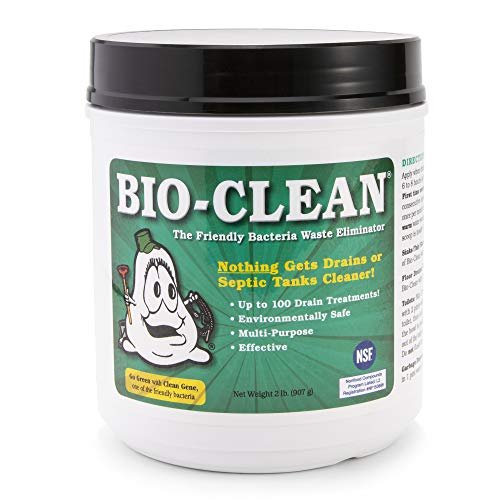
Best for natural microbial digestion in septic systems, Bio-Clean uses a combination of microbes and enzymes to digest dead organic waste and fats, oils, and grease. It’s designed to avoid caustic chemicals and supports septic back-end processes. This product is a reliable choice for septic health, odor control, and prevention of backups when used as directed.
Who it’s best for: septic owners seeking a natural, all-natural microbial approach to digestion. Limitation: not a quick fix for severe clogs; it’s intended for ongoing maintenance and gradual improvement. Choose this if you prefer a natural, non-chemical method for septic maintenance.
Buying Guide
What matters when choosing a septic-friendly drain cleaner:
- Septic compatibility: Look for enzymes, probiotics, or natural microbes. Avoid strong caustics that can harm septic tanks.
- Clog severity: For emergencies, select a product marketed for rapid action. For prevention, enzyme or probiotic cleaners work well over time.
- Drain type: Ensure the formula is safe for toilets, sinks, showers, and grease traps if you have multiple fixtures.
- Application method: Consider bottle design and required contact time. Anti-glug features help reduce splashing in kitchens and baths.
- Frequency of use: Some products are intended for routine maintenance, others for occasional heavy-duty use. Align with your household’s needs.
- Odor control: Enzyme-based cleaners often help reduce odors associated with organic buildup in septic systems.
Practical tips for use
- Follow label directions for dosage and frequency. Overuse can be wasteful and may disrupt microbial balance.
- For slow drains, allow time for enzymes to work before attempting mechanical clearing.
- Avoid mixing different cleaners, particularly caustics with enzymes.
- Regular maintenance is more effective than infrequent, heavy treatments for septic systems.
FAQ
- Are enzyme-based cleaners better for septic systems? Yes. They rely on natural microbes to digest organic waste and are typically gentler on septic tanks than harsh chemicals.
- Can these products fix a completely blocked sewer line? For complete backups, professional inspection is recommended. Some products are designed for preventive maintenance and moderate clogs, not emergency, severe blockages.
- Is one product clearly superior for all septic systems? No. Effectiveness depends on the drain type, clog severity, and septic system design. The buying guide helps match the product to your needs.
- How often should I use septic-safe cleaners? For prevention, follow the label’s guidance. Regular maintenance can reduce the likelihood of slow drains and odors.
- Do these cleaners pose risks to plumbing materials? Most septic-safe enzyme cleaners are formulated to be safe for pipes and septic systems, but always verify compatibility with vinyl or metal pipes in case of special installations.
- Can I use these products with septic tank additives? Generally safe, but avoid mixing with other chemicals not designed for septic systems. Read product instructions.