As an Amazon Associate I earn from qualifying purchases. These links may earn this site a commission when you buy, at no extra cost to you.
Answering the most common search intent, these are effective soot cleaners for fireplaces that help restore glass, brick, and stone surfaces. This guide highlights five products that suit different cleaning needs—from glass-only touchups to full-brick restoration—and explains who should choose each option. Whether you own a wood stove, gas fireplace, or traditional masonry, you’ll find options to remove creosote, smoke residue, and baked-on soot without harsh scrubbing. Each pick is evaluated for ease of use, surface compatibility, and practical limitations to help you decide quickly.
| Product | Brand | Best For |
|---|---|---|
| Quick N Brite Fireplace Glass Cleaner Kit | Quick ‘n Brite | Glass doors and fireplace glass surfaces |
| Fireplace Cleaning Set with Scrub Brush | EROSMILE | Brick, stone, tile, and marble surfaces |
| Rutland 570-6 Bright Gas Log Soot Remover | RUTLAND PRODUCTS | Gas log sets and glass on gas fireplaces |
| MEECO’S RED DEVIL 701 Wood Stove Glass Cleaner | MEECO’S RED DEVIL | Wood stove glass and fireplace inserts |
| The Creosote Sweeping Log | Creosote Sweeping Log | Chimney creosote reduction for safety and maintenance |
Best Glass-Only Fireplace Glass Cleaner Kit
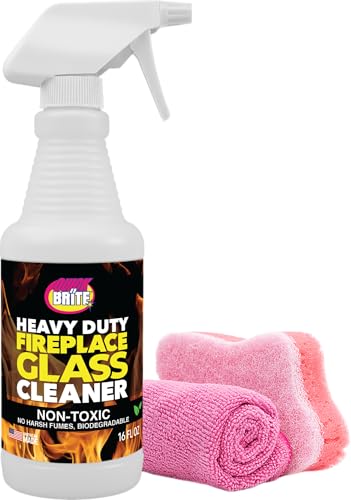
The Quick N Brite Fireplace Glass Cleaner Kit is designed for quick, on-glass cleaning. It removes soot, smoke residue, creosote, and other buildup from fireplace glass surfaces on contact. The formula is safe for all glass surfaces, including gas stove cooktops and ceramic glass, with an easy spray application and a wet-scrub wipe process. Best for buyers who want a straightforward spray-on solution that delivers a streak-free finish with minimal effort. A caution: use on cool glass and repeat if areas are heavily soiled.
Who this is best for: Homeowners with glass-front fireplaces or wood stoves needing fast, glass-only cleanup without heavy scrubbing. This product is also suitable for occasional maintenance between deeper cleanings.
Why selected: It focuses on glass clarity and ease of use, offering a simple, contact-clean action that reduces time spent cleaning large glass panels.
Limitations: It targets glass surfaces; it does not address brick or stone surfaces that may need separate cleaners.
Nonabrasive Brick and Stone Cleaner Set
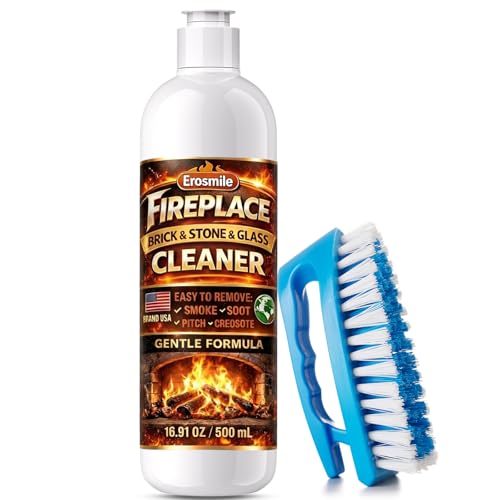
EROSMILE’s Fireplace Cleaning Set uses a nonabrasive formula and a scrub brush to penetrate crevices in brick, stone, tile, and marble. The cleaner deeply penetrates soot and burnt marks, transforming dull surfaces back toward their original appearance. The process is simple: apply the gel, scrub with the included brush, let sit 3–5 minutes, rinse with water, and wipe clean. This makes it a versatile choice for masonry surrounds and indoor/outdoor applications. Best for those who want a single kit capable of handling multiple surface types.
Who this is best for: Homeowners with brick or stone fireplaces who want a single cleaner that can handle both porous masonry and glass doors, offering a more comprehensive clean than glass-only solutions.
Why selected: The concentrated gel formula and included brush simplify stubborn buildup in hard-to-reach areas, delivering a thorough cleanup without harsh abrasives.
Limitations: It is not a one-step spray; it requires a brush and multiple steps, which may take a bit longer than spray-on options.
Easy-Use Gas Log Soot Remover

The Rutland 570-6 Bright Gas Log Soot Remover provides a straightforward spray-on, no-wipe formula that removes soot from gas log sets. It’s designed to leave logs looking renewed and avoids discoloration of logs or damage to burners. This product is well-suited for regular maintenance after fires or between full cleanings. Best for gas fireplace owners who want a quick refresher without additional tools.
Who this is best for: Gas fireplace users seeking a fast, spray-on solution that minimizes downtime and avoids action steps like scrubbing or rinsing.
Why selected: The no-wipe claim streamlines maintenance and reduces handling, which is convenient for quick touch-ups after use.
Limitations: It may not address heavy buildup as effectively as deeper-clean cleaners for brick or stone surfaces.
Brick and Stone Cleaner for Fireplace Surfaces
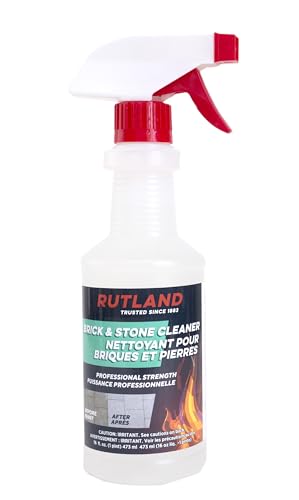
The Rutland Brick and Stone Cleaner is a non-abrasive industrial emulsifier designed for soot removal on hearth brick, stone, terracotta, marble, and other porous masonry. It removes soot, creosote, and smoke residue with the aid of an industrial-strength solvent to dissolve buildup. Best for tough, baked-on residues on brick and stone surfaces. A caution: as with any solvent-based cleaner, follow safety usage for ventilation and skin contact.
Who this is best for: Homeowners with brick or stone fireplaces who need a strong cleaner capable of penetrating deeply into porous materials.
Why selected: It offers a robust option for difficult buildup on masonry, complementing lighter spray cleaners for glass surfaces.
Limitations: It uses a solvent-based formula, which may require protective gear and careful handling in enclosed spaces.
Industrial-Strength Wood Stove Glass Cleaner
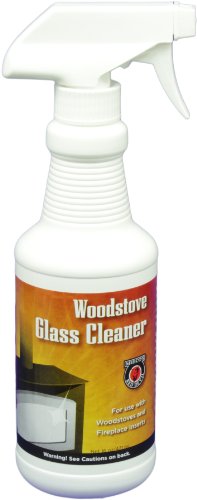
MEECO’S RED DEVIL 701 Wood Stove Glass Cleaner is an industrial-strength formula designed to remove baked-on creosote, smoke, and soot from the glass on wood, pellet, and coal stoves, as well as fireplace inserts. The ready-to-use trigger spray provides easy cleaning with a wipe for a clear, streak-free finish. Best for heavy residue on wood-burning appliances. A caution: while strong, it is formulated for glass surfaces and should be avoided on non-glass materials without testing.
Who this is best for: Wood stove or fireplace insert owners facing stubborn, baked-on buildup who want a powerful, ready-to-use cleaner for glass surfaces.
Why selected: The product’s industrial strength focuses on tough residue while offering straightforward application and streak-free results.
Limitations: Not ideal for multi-surface cleaning of brick or stone; use it primarily on glass components of wood-burning appliances.
Creosote Reduction Firelog

The Creosote Sweeping Log acts as a dual-action product: it treats existing creosote deposits and minimizes new buildup, improving safety and efficiency. It burns like a standard fire log for about 90 minutes, offering an easy, hands-off approach to reduce creosote in chimneys. Best for ongoing chimney maintenance and people who want a simple burn-and-clean routine. A caution: it should be used as part of a regular chimney maintenance plan rather than a sole cleaning method.
Who this is best for: Homeowners who want periodic creosote management without frequent cleaning sessions or specialized cleaners.
Why selected: It provides a passive maintenance option that complements surface cleaners by addressing creosote at the source during burning.
Limitations: It is not a substitute for professional chimney cleaning if heavy buildup is suspected or if local guidelines require formal inspection.
Buying Guide: Key Considerations For Soot Cleaning
- Determine whether you primarily clean glass, brick, stone, or a combination. Choose cleaners designed for those surfaces to avoid damage.
- Creosote, soot, and smoke residue each respond to different formulas. For heavy buildup, consider a cleaner with stronger solvent action or a dedicated creosote remover.
- Spray-on, brush-on, or burn-and-clean products vary in effort and effectiveness. Pick a method that fits your preferred cleaning routine.
- Some products require adequate ventilation, gloves, and eye protection. Always follow label instructions for safe use, especially with solvents.
- Use maintenance sprays for quick touch-ups and reserve deep-clean cleaners for yearly or seasonal overhauls.
- Check surface compatibility with glass, masonry, or metal components to avoid discoloration or damage.
- If supporting domestic brands matters, note that Rutland and MEECO’S RED DEVIL offer U.S.-made options.
Frequently Asked Questions
- What cleaner is best for glass fireplace doors? A dedicated glass cleaner formulated for fireplace glass, like a spray-on glass remover, is typically best for glass doors and panels.
- Can I use brick cleaners on stone surfaces? No, use cleaners labeled for brick or stone and test a small area first to ensure compatibility with porous materials.
- Should I clean while the fireplace is hot or cold? Most products require cool surfaces to avoid chemical reactions or steam; always follow label directions.
- Is creosote removal necessary for every cleaning? Creosote buildup can be addressed gradually with maintenance products, but heavy deposits may require professional cleaning.
- Can I combine products for a full cleaning? Yes, some customers use a glass cleaner for doors and a masonry cleaner for brick/stone, but avoid mixing chemical formulations without guidance.
- Is any product harmful to catalytic converters? Some solvents can affect components; follow product instructions and handle with care if you have a conversion system.