As an Amazon Associate I earn from qualifying purchases. These links may earn this site a commission when you buy, at no extra cost to you.
When choosing a wood stove glass cleaner, look for products that remove baked-on creosote and soot without scratching glass. This guide highlights top picks suited for stove owners, fireplace users, and those maintaining wood, pellet, or coal stoves. Best for quick touch-ups, heavy-duty buildup, or conditioning glass surfaces, these cleaners offer easy spray or wipe action and long-lasting results. Below, you’ll find five reliable options with practical use cases, plus a buying guide and FAQs to help you decide which cleaner fits your stove type and cleaning routine.
| Product | Best For | Size | Key Benefit |
|---|---|---|---|
| MEECO’S RED DEVIL 701 Wood Stove Glass Cleaner (16 oz) | All-around cleaning, regular maintenance | 16 fl oz | Powerful, ready-to-use spray |
| Rutland Hearth and Grill Conditioning Glass Cleaner (8 oz) | Ceramic glass protection, buildup prevention | 8 oz | Silicone coating for easier future cleans |
| Quick N Brite Fireplace Glass Cleaner Kit (16 oz) | Thorough cleaning with easy application | 16 oz | Spray and scrub kit for tough residue |
| MEECO’S RED DEVIL 700 Conditioning Glass Cleaner (8 oz) | Gentle conditioning, future buildup repellent | 8 oz | Silent silicone protection layer |
| Rutland Fireplace Glass and Hearth Cleaner (32 oz) | Heavy-duty cleaning for large areas | 32 oz | Ammonia-free, versatile for cast iron and steel |
MEECO’S RED DEVIL 701 Wood Stove Glass Cleaner

Best for: Regular maintenance on wood, pellet, and coal stove glass. This 16-ounce bottle targets baked-on creosote, smoke, and soot with a ready-to-use trigger spray for quick, streak-free results. The two-pack option is ideal for households with multiple stoves or for extended use.
Why selected: It combines strong cleaning power with convenience and American-made quality. Use on cool glass and wipe clean to reveal clarity. A caution: avoid applying on surfaces not rated for high-heat exposure.
Rutland Hearth and Grill Conditioning Glass Cleaner

Best for: Glass surfaces that benefit from a protective finish. This 8-ounce cleaner uses micro scrubbers to remove soot and creosote without scratching, leaving an invisible silicone coat that helps glass stay cleaner longer and makes future cleans easier.
Why selected: The silicone coating reduces future buildup, improving long-term maintenance. Caution: silicone residue may affect certain sensor-equipped glass surfaces; test a small area first.
Quick N Brite Fireplace Glass Cleaner Kit
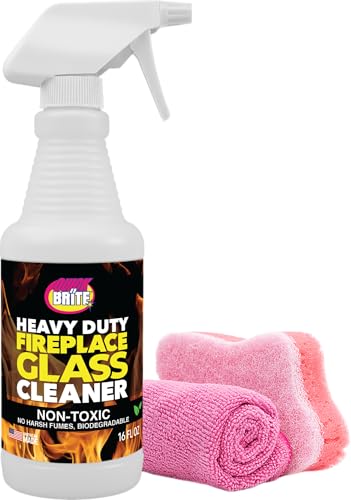
Best for: Thorough cleaning with an easy application. This kit includes a sprayer and a sponge for even distribution, effectively removing creosote, soot, and smoke from various glass surfaces, including fireplace doors and stove fronts.
Why selected: It delivers a simple, control spray and scrub approach. Limitation: excessive residue may require a second pass in extremely dirty areas.
MEECO’S RED DEVIL 702 Wood Stove Glass Cleaner Refill
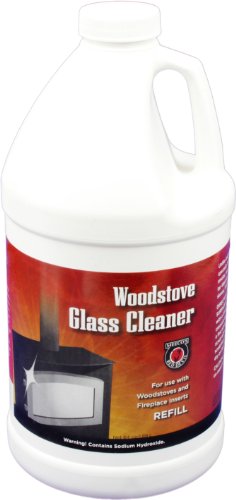
Best for: Replenishing cleaner for ongoing maintenance of wood, pellet, and coal stove glass. This 64-ounce refill provides extended supply to keep glass clear and clean between full-clean sessions.
Why selected: Combines industrial-strength cleaning with size efficiency. Caution: ensure proper storage to maintain formula integrity over time.
Rutland Fireplace Glass and Hearth Cleaner

Best for: High-temperature glass cleaning without ammonia. This 32-ounce formula is ammonia-free and suitable for glass doors on wood stoves, as well as other cast iron and steel fireplace components.
Why selected: Ammonia-free formulation reduces strong odor and potential glass stress, making it a safer choice for enclosed spaces. Limitation: larger bottle may be less convenient for quick touch-ups on small fires.
Buying Guide: Key Purchase Considerations
- What type of stove glass are you cleaning? Choose cleaners formulated for wood, pellet, or coal stove glass to avoid compatibility issues.
- Is a protective coating desirable? Some products leave a silicone layer that repels future buildup, speeding later cleans.
- Do you need a ready-to-use spray or a kit? Ready-to-use bottles are fast on small jobs; kits can help with thorough, DIY scrub sessions.
- Are you concerned about odors or chemical strength? Ammonia-free formulas are gentler for enclosed spaces and sensitive occupants.
- How large is your stove area? Larger applications may benefit from bigger refill bottles to reduce reordering frequency.
FAQ: Quick Answers For Shoppers
- What should I spray on a cool stove glass? Use a product labeled safe for cool glass; never spray onto hot surfaces.
- Is silicone residue a problem for future cleans? It can help prevent buildup but test on a small area if you have sensitive surfaces.
- Can these cleaners remove heavy creosote buildup? Yes, industrial-strength formulas are designed to tackle baked-on residues.
- Are these products safe for all glass surfaces? Most are intended for ceramic glass on stoves and fireplace doors; check packaging for exceptions.
- How often should I clean stove glass? Cleaning frequency depends on usage; regular maintenance prevents thick buildup.
- Do these cleaners require rinsing? Most require wiping with a cloth or scrub sponge and may not need rinsing.