Useful reading for your next decision.

Start Here
Cleaning, sanitizing, and disinfecting describe different jobs, even when the bottles sit on the same store shelf. Choose the job you need first, then check whether the product and surface can support it.
Read guide →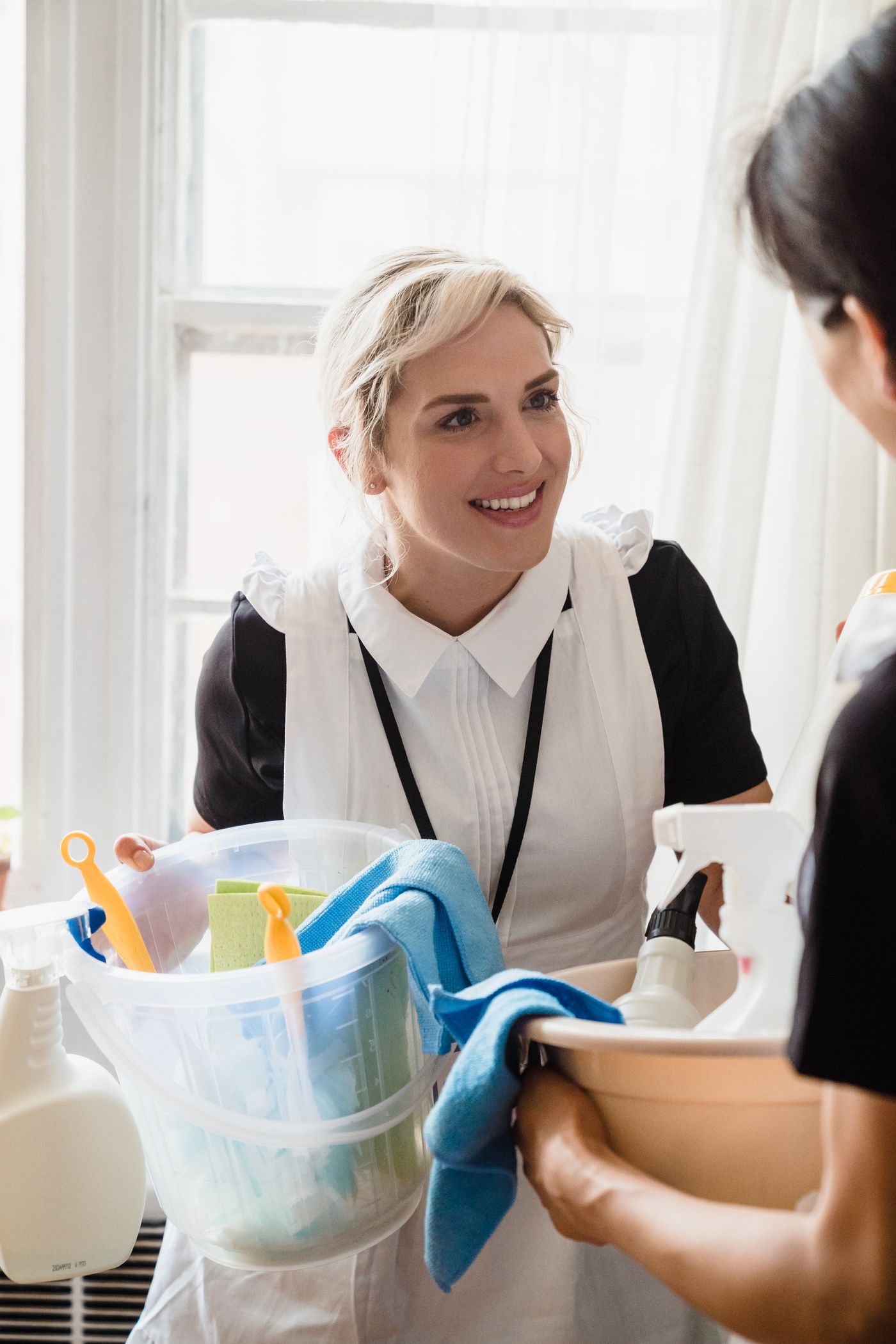
Start Here
A cleaning caddy earns its space when it carries the supplies for the work you are about to do without hiding what each bottle contains. Filling it with every product under the sink makes it heavier and makes the next decision harder, especially in a home with several different surface finishes.
Read guide →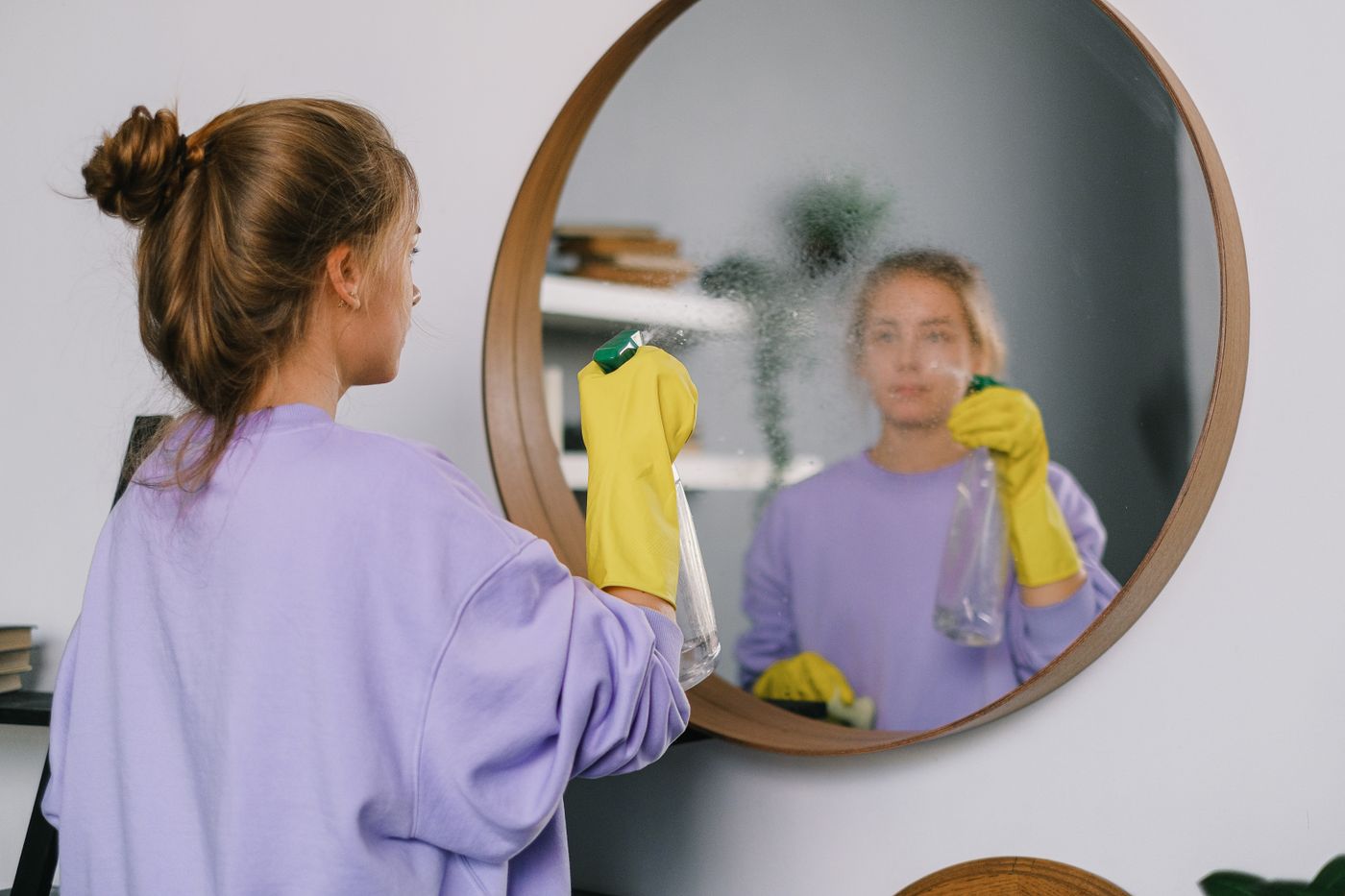
Start Here
An unlabeled spray bottle near a mirror might contain glass cleaner, diluted cleaner, or something left from an earlier task. The first useful cleaning decision is to identify its contents, not to see whether one spray makes the mirror look clearer.
Read guide →
Start Here
A weekly cleaning plan fails quickly when it assumes an empty house, unlimited energy, and every surface ready to clean. Start with the week’s real constraints: the nights you are home, the rooms people need to use, and the tasks that cannot wait for a long weekend session.
Read guide →
Start Here
Three cloths beside the sink can look organized while leaving the most important question unanswered: which one has already been used, and where did it go? A household color system is useful when it makes a cloth’s assigned task and current state understandable to the person who picks it up next.
Read guide →
Start Here
Move-out cleaning feels different once the chairs are in a truck and the kitchen drawer you thought was empty still contains three loose utensils. Build the plan around rooms you can finish and inspect, rather than a last-minute promise to clean the whole place after packing.
Read guide →